
Every property is different and every person has different hopes and dreams for their property and different abilities to achieve them, too, but I think there are some general ideas from permaculture that could help you get started with any new property.
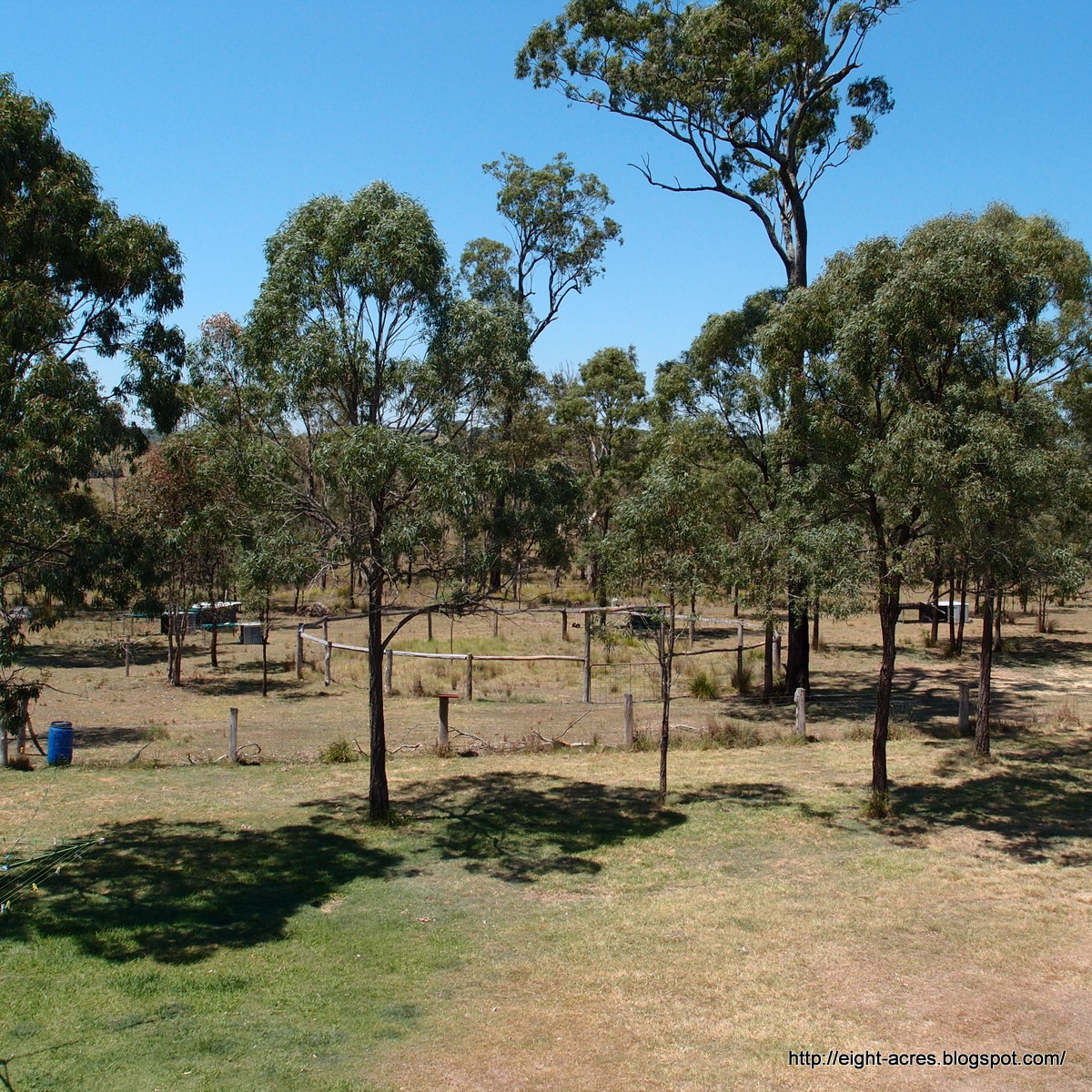
First, do nothing (or do very little anyway).
That’s right, do nothing for months. Well don’t do nothing, but don’t jump in and start any major projects until you’ve spent some time observing your property. In permaculture, this is the “Observe and Interact” principle. You need to understand as much as possible about your property before you make any major decision. This is also a good time to use the principle “Use small and slow solutions” because they are much easier to change if you realise you missed something later on, compared to big and expensive projects which you will be effectively stuck with.
Things to observe during this time
Water flow, rainfall (when and how much), frost/snow times and severity, high temperatures (when and how high), wind direction and speed, vegetation types, soil types, local animals (native and feral), slope/terrain, sun position at different times of day and times of year.
Obviously during this time you need to maintain what you already have on the property, but if you have a few months or even a year before you HAVE to make major changes, this is a fantastic opportunity to observe your property and decide what you want to do in a way that works with the property and the natural resources available.
Obviously during this time you need to maintain what you already have on the property, but if you have a few months or even a year before you HAVE to make major changes, this is a fantastic opportunity to observe your property and decide what you want to do in a way that works with the property and the natural resources available.
Next, plan, design, envision what you want for your property
Again, permaculture can help you, especially the principle “design from patterns to details” and provide some design tools, but the most important thing is to keep an open mind. There is an excellent example of a permaculture design process on the blog permacurious which explains both the observation phase and the functional analysis, and then how to put this all together into a plan.
Functional analysis is where you consider all the functions that you might need on your property, like “dispose of waste” and “source of protein” and then you list all the elements that could supply those functions. For example, compost, worm farm and council collection are all elements that could dispose of waste, and chickens (eggs and meat), legumes and cows (milk and meat) are all sources of protein.
 |
| A worm farm generates compost, worm wee and worms |
Then you can work through and make sure you have at least one (preferably two or more) elements to satisfy each function, and you aim to have elements that satisfy more than one function, each element may also have needs that must be considered as well. A worm farm produces compost, worm wee, worms to feed the chickens and a method of waste disposal, but it also needs a shady position and plenty of waste to feed the worms. Chickens can provide meat, eggs, bug eating and scratching services, but they also need food, water and shelter. A garden can provide food and herbs, it need a source of fertility, water and maybe shade as well.
This is where you start combining elements that work together, and then you can start thinking about how to locate those elements so that they are at a sensible distance to reduce the work that you have to do on a regular basis. Perhaps you intend to use the chickens to fertilise the garden – then you need to design a way that they chickens can be IN the garden so you don’t have to move chicken manure. Or if the worm farm is going to take your garden waste, put the worm farm in the garden. Not everything is going to work out perfectly and there are going to be other factors that prevent your optimal configuration from working, but it is worth taking the time to plan.
This is where you start combining elements that work together, and then you can start thinking about how to locate those elements so that they are at a sensible distance to reduce the work that you have to do on a regular basis. Perhaps you intend to use the chickens to fertilise the garden – then you need to design a way that they chickens can be IN the garden so you don’t have to move chicken manure. Or if the worm farm is going to take your garden waste, put the worm farm in the garden. Not everything is going to work out perfectly and there are going to be other factors that prevent your optimal configuration from working, but it is worth taking the time to plan.
 |
| Splitting Cheslyn Rise into zones for land use |
When you are considering your elements and functions, keep in mind some of the other permaculture principles – how will you catch and store energy? Obtain a yield? Use renewable resources? Produce no waste? Integrate rather than segregate? Create diversity in your system? Use edges and marginal resources? And how will you create a system that is flexible enough to respond to change, including the gradual development of your system?
A word of caution
Don’t get stuck in this phase, you can over plan and never get anything done, give yourself a time limit, work through everything a couple of times, and then get started. If you use slow and small solutions, and keep observing your plan, you can change things as you go. Also, make sure you include future elements in your plan, if you know you want to keep goats, think about how they will fit in and where you will keep them, so that you can integrate them into the system more easily when you are ready.
 |
| The dairy cow provides milk for the dogs, the dogs provide... security duty and cuddles |
Get started! But don’t start everything at once!
Just pick one thing to focus on and do it well. When that is sorted, start the next thing. Sure your system is all interdependent, but you can have some temporary systems in place as you develop everything. If you have inputs or outputs from an element that you haven’t developed yet, you may have to temporarily do things a different way until that element is ready. For example, I got my worm farm ready in preparation for feeding aquaponics fish. We don’t have the aquaponics set up yet, but I can feed worms to the chickens in the meantime. At our new property, I want to have the chickens free-ranging in the orchard when the trees are big enough, but while that is getting established, we will have to buy chicken food (to supplement the worms).
In the example on the blog above, Calamity Jane actually worked out a rough schedule of when each element would be introduced, this would really help with the planning. Don’t get stressed if things don’t go to schedule either, sometimes it will take longer than you expect, just try to enjoy the learning experience!
On our property at Cheslyn Rise we have been really lucky to have so much TIME to observe. We had the property for 9 months before we started organising our house, so that was plenty of time to think about where to put it and how to position it (and it was kind of a relief to have the removal house as we didn’t have to consider the layout of the house as well!). We did a rough plan of the house yard so we could decide where to put rainwater tanks, septic trench and driveway around the house immediately, and also pencilled in where the shed, garden, orchard and “dairy land” would go in future, so it can all work together. Unfortunately our local electricity utility put the power pole in the wrong place, so we had to respond to change and move the house pad over a bit! Luckily it was a few weeks BEFORE the house arrived! And we have continued to observe the property and think about what we are going to do next.
What do you think? How do you design a new property?
Comments
Post a Comment
Thanks, I appreciate all your comments, suggestions and questions, but I don't always get time to reply right away. If you need me to reply personally to a question, please leave your email address in the comment or in your profile, or email me directly on eight.acres.liz at gmail.com