
Your grandmother probably had one of these by the sink for doing the dishes. It can also be used to dissolve soap for hand-washing in the laundry or putting some bubbles in your bath. You are going to wish you still had one because they are so useful!
What is a soap shaker?
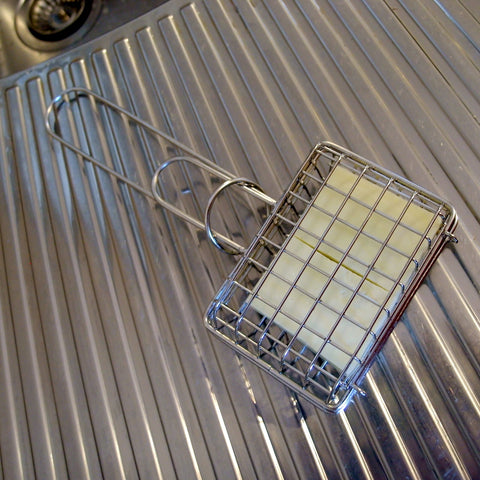
A soap shaker (also known as a soap saver or suds maker) is the old-fashioned way of using a bar of soap for the washing up. Its just a metal cage with a handle. You put soap in the cage and swish it around in hot water to dissolve some soap. Then you can easily dry out the soap between uses so that it lasts longer.
How can I use soap to reduce my plastic consumption?
Like so many things now, we are realising that our grandmothers had some good ideas in the garden and around the house. They had to be frugal and make do with what they had. Naturally that meant less waste, and particularly less plastic.
Soap shakers are the perfect way to reduce plastic in the kitchen - no more bottles of dishwashing liquid, just use bars of soap. And no need to wonder why the dishwashing liquid is that funny green or yellow colour and why it smells so strong (yuck!). My natural cleaning soap only contains saponified tallow, olive oil and eucalyptus essential oil (its so good to know exactly what is in it!).

How do I use a Soap Shaker?
A soap shaker can be used to make suds for washing dishes, for laundry or in the bathroom. You simply put a bar of soap into the soap shaker and swish it around in hot water. You can also hold the soap shaker directly under the tap.
For best results - rinse dishes first, use hot water, run the water over the soap shaker and/or swish the soap shaker until the desired amount of bubbles appear. Store the soap shaker where the soap can drain and dry out. You can refresh the suds by swishing the soap shaker again.
The soap shaker will work best in hotter water and the suds will last longer in rainwater rather than “hard” bore or town water. If you have hard water, you will find that it forms scum and the bubbles don't last as long (that is just the soap reacting with the calcium in the water).
Grease is a challenge when washing with soap. The best method is to either pre-rinse dishes in hot water, or wipe very greasy dishes with newspaper before washing.
What soap can I use with the Soap Shaker?
Any simple natural soap will be perfect in your Soap Shaker. Ideally you don't want anything with strong colours or fragrances that could taint your food later. Something with natural ingredients is best if you’re using it for washing up your dishes. Sunlight soap was the traditional choice. I make a cleaning soap with eucalyptus essential oil. You can also use leftover odds and ends of soap.
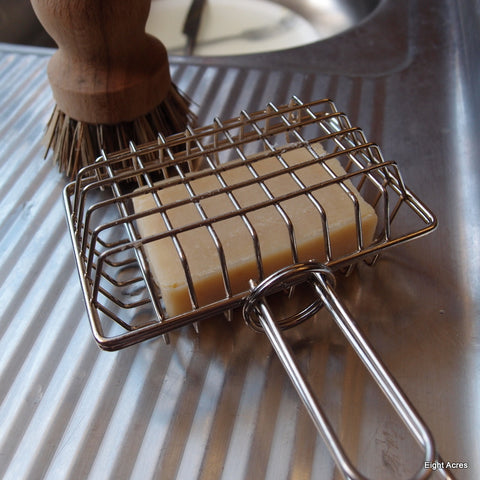
Some soap shakers (particularly the antique ones) are relatively small, so you would have to cut a normal bar of soap to fit. My soap shaker takes a full-size bar of soap.
How long does the soap last and how can I make it last longer?
I find that a bar of soap lasts several weeks. If you allow it to dry out between uses by hanging it or keeping it on a raised soap dish, the soap will last longer.
Do you use a soap shaker? Do you remember your grandmother using one?
Comments
Post a Comment
Thanks, I appreciate all your comments, suggestions and questions, but I don't always get time to reply right away. If you need me to reply personally to a question, please leave your email address in the comment or in your profile, or email me directly on eight.acres.liz at gmail.com