I was recently contacted by a friend with a sick steer. She described his symptoms and I was concerned that is sounded quite serious, but I hesitated to recommend that she called a vet. Unfortunately the animal later died, which confirmed my suspicions, however we were both comfortable that she did all she could to save him.
I hesitated for a couple of reasons:
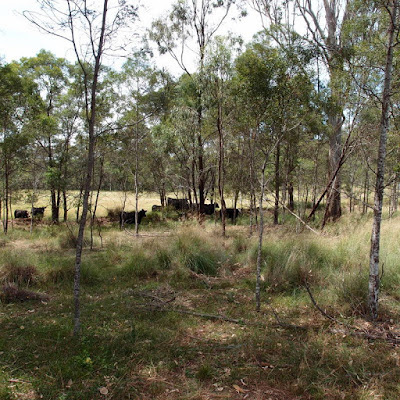

Even when the vet arrives, sometimes they don't know what's wrong with your animal. Or they know what's wrong, but there's nothing they can do (e.g. cow with a prolapse that cannot be corrected). Or its just too expensive (e.g. paralysis tick anti-venom). In this case, you want to be ready with a back-up plan in case the animal gets worse. You can ask the vet to euthanise an animal, but it is expensive, and a slow, scary death for a animal that is not tame (speaking from experience here). I would much rather use a gun to euthanise an animal (see my post here), so if you have cattle you should either have your own gun or know someone who can help at short notice.
You also need a plan to dispose of the dead body - either digging a hole or burning it are the usual methods. Again it helps to have a machine that can dig the hole, or know someone who does! Farming is all about networks! Unfortunately, if you have livestock, you will eventually have deadstock. Its much easier to handle if you remember that livestock are not pets. You get to know them and care for them, but one way or another they are going to leave your property, dead or alive.
Even if the vet isn't able to save the animal, we always learn heaps from a vet visit. Take the opportunity to ask lots of questions and find out what you could do to identify the problem earlier, prevent it in other animals or just care for the animal your self next time. Our vets are always really friendly and happy to teach us more about our cattle. That's how we learnt how to remove paralysis ticks from calves.
Caring for livestock is a big responsibility and the least we can do is be prepared for sick animals, even if that means not always calling the vet.
When do you call the vet?
You can find more house cow information in my eBook here.
I hesitated for a couple of reasons:
- Calling a vet out after hours can be expensive, often more than the animal is worth (and I checked that this was livestock rather than a pet)
- There's not always much a vet can do for sick cattle other than give antibiotics and hydration, which may not have saved him
This incident made me think about how we decide when to call the vet and I wanted to share a few thoughts on this topic.

For pets we always call the vet, no question about it. And for dogs and cats there is far more the vet can do anyway (and paying hundreds and even thousands of dollars to save a beloved animal hurts, but its worth it!). On the other hand, we have NEVER taken a chicken to the vet, any sick chickens are examined, isolated and given a 50:50 chance of making it to the next morning (unlike Fiona at Arbordale Farm, who always nurses her sick chickens far more tenderly!).
Cattle are in the middle. Usually if its something we recognise, like three-day sickness, we just keep an eye on them If they are just a bit lame, we'll just watch them to see if it gets worse. If its something we're not sure about, we will call a farmer friend. If you are new to cattle, I recommend that you have a few farmer friends that you can call when things don't look right. Neighbours that can come over and have a look are the best. You just need someone experienced with cattle who can give you an honest opinion (once we asked our neighbour to come and shoot a sick cow and he told us to call the vet, the cow made it with the vet's help and we sold her, so it was a good call).
If the animal is important or valuable, like a cow or a bull, and if the problem is obvious and life-threatening, such as a prolapse, we will call the vet. Usually this is on a weekend day because that's when we check the cattle. Vets in our area charge around $200 to come out and have a look at an animal. The actual treatment fee is not much compared to the call-out fee. The first time we called a vet to our property, I didn't know what to expect. We had taken the dogs to the surgery though, so they knew we had an account there and were happy to come out. If you have cattle and don't know your local vet, you should drop in and say hello, find out if they do call-outs and what the fees are, so you are prepared, because animals always get sick on Sunday afternoons!

Even when the vet arrives, sometimes they don't know what's wrong with your animal. Or they know what's wrong, but there's nothing they can do (e.g. cow with a prolapse that cannot be corrected). Or its just too expensive (e.g. paralysis tick anti-venom). In this case, you want to be ready with a back-up plan in case the animal gets worse. You can ask the vet to euthanise an animal, but it is expensive, and a slow, scary death for a animal that is not tame (speaking from experience here). I would much rather use a gun to euthanise an animal (see my post here), so if you have cattle you should either have your own gun or know someone who can help at short notice.
You also need a plan to dispose of the dead body - either digging a hole or burning it are the usual methods. Again it helps to have a machine that can dig the hole, or know someone who does! Farming is all about networks! Unfortunately, if you have livestock, you will eventually have deadstock. Its much easier to handle if you remember that livestock are not pets. You get to know them and care for them, but one way or another they are going to leave your property, dead or alive.
Even if the vet isn't able to save the animal, we always learn heaps from a vet visit. Take the opportunity to ask lots of questions and find out what you could do to identify the problem earlier, prevent it in other animals or just care for the animal your self next time. Our vets are always really friendly and happy to teach us more about our cattle. That's how we learnt how to remove paralysis ticks from calves.
Caring for livestock is a big responsibility and the least we can do is be prepared for sick animals, even if that means not always calling the vet.
When do you call the vet?
You can find more house cow information in my eBook here.
We are the same with chickens, give them care and then more than likely, they will have to be culled. Because chickens are really good at hiding how sick they are, until they can't hide it any more. Though, I wouldn't know the first thing about tending to cows. I'm sure this article will help those who are starting out.
ReplyDeleteSound advice Liz. Over the years we have gleaned lots of advice from our dairying friends who I couldn't have survived without, but gradually we moved across to organics and natural methods of healing which I learned from reading every possible internet site, forums, Bio-dynamic workshops etc. Also my bible "go to" book written by Pat Coleby is "Natural Cattle Care". Vets have become prohibitively expensive, to the detriment of the animals whose owners just can't afford the costs. I remember when I was a child, the vets who came to our dogs and horses were in the game for the love of the animals and not for the desire to drive the flashest car. (oops, will get off my soapbox now) lol
ReplyDeleteVery informative post.
ReplyDelete